
How to Compare Fracturing Pumps for Pressure, Duty Cycle, and Field Support
Buyer note

How to Compare Fracturing Pumps for Pressure, Duty Cycle, and Field Support

Buyer guidance for comparing fracturing pumps by pressure rating, continuous load behavior, and service support during execution.

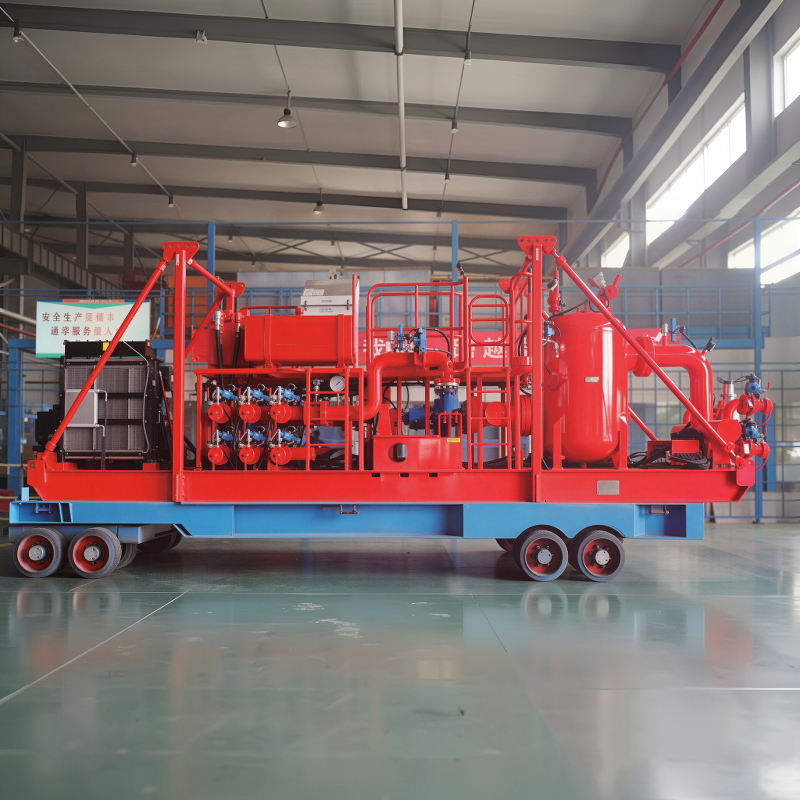
A fracturing pump is not selected on horsepower alone. Buyers need to check how the unit behaves under long pumping cycles, how it fits the spread layout, and whether the supplier can support field execution after shipment.
Buyer Notes

The article stays focused on the details buyers compare before inquiry.

Start with pressure and output

Confirm the pressure class, flow requirement, and engine or drive arrangement before comparing brands. That keeps the discussion anchored in the actual job, not brochure language.

Look at duty cycle

Some jobs need short pumping bursts, while others run for long continuous periods. Buyers should ask how the pump handles heat, wear, and stability under sustained field use.

Check spread integration

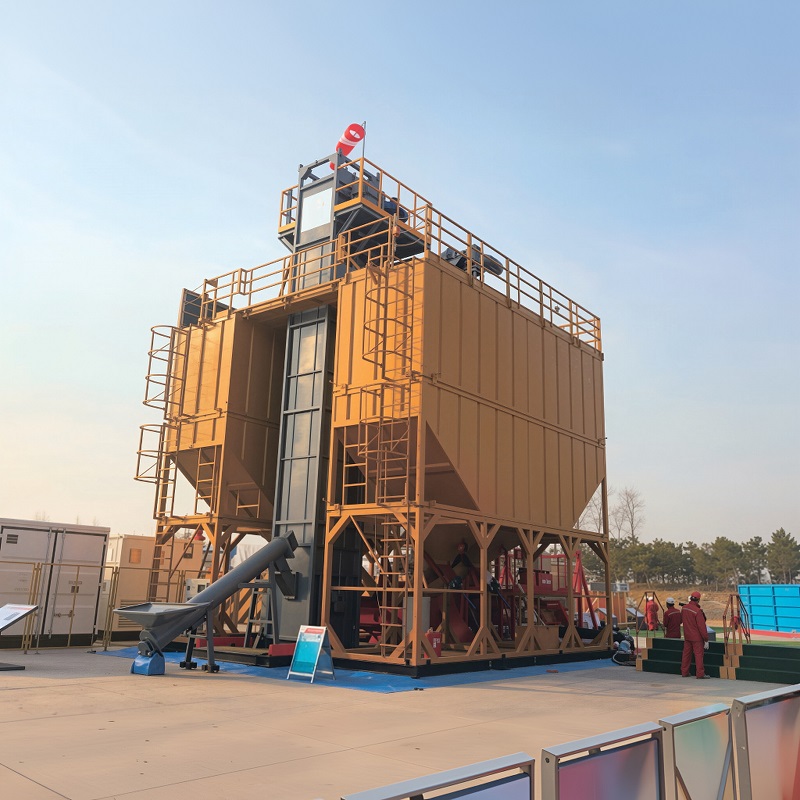
The pump should work cleanly with manifolds, sand handling, and mixing systems. A good match reduces delays during mobilization and start-up.

Ask about support

For overseas projects, field support, spare parts, and technical communication matter after delivery. The best quote is usually the one that is easiest to execute on site.

Practical Takeaway

A short ending helps the page read like an edited buyer note rather than a fragment list.

A practical pump comparison ends with one question: which package is easiest to run safely and consistently under the actual job load. Once that is clear, the price comparison becomes more meaningful.

Explore This Family

Move from the article to the matching product family.

Related Products

The same procurement topic in product form.

Automated Continuous Sand Conveying Units

Automated Continuous Sand Conveying Units

Open the matching product page for model details and configuration notes.

Dry Fracturing Equipment

Dry Fracturing Equipment

Check the detailed page when you need a closer technical review.