

How to Select a Workover Rig for Different Well Conditions
Buyer note

How to Select a Workover Rig for Different Well Conditions

A buyer guide for selecting workover rigs based on well depth, mobility, terrain, and intervention requirements.

Workover rig selection starts with the well condition, not the model number. Buyers need to understand depth, intervention scope, mobility requirements, and whether the rig will operate in a standard field or a more difficult terrain.
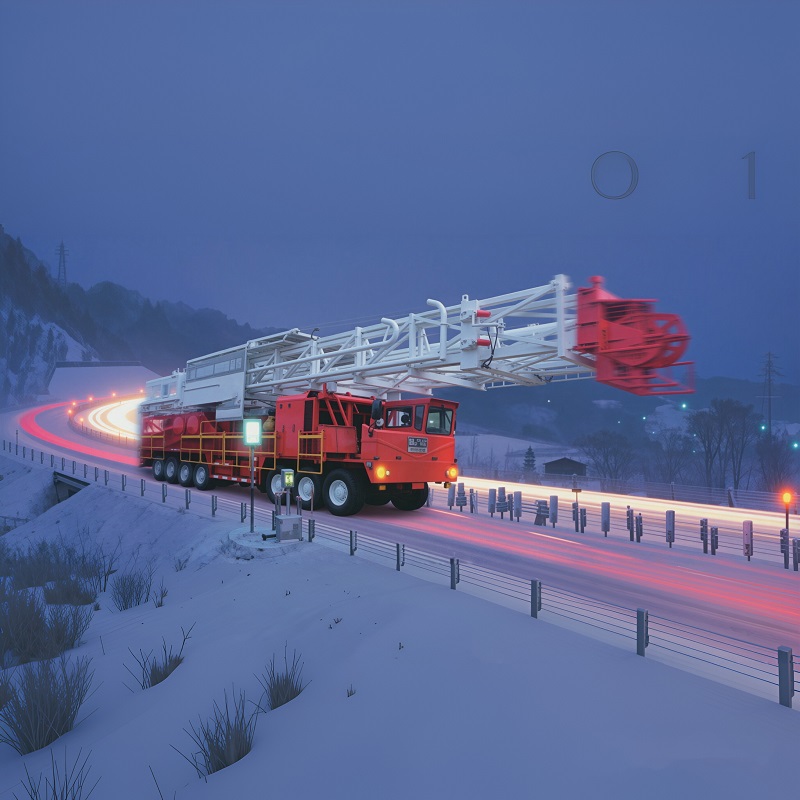
Buyer Notes

The article stays focused on the details buyers compare before inquiry.

Match the well condition

Shallow maintenance jobs and deeper intervention work do not need the same package. Confirm the working depth, load requirement, and whether the rig must support more than one operating scenario.

Review mobility and terrain

Truck-mounted and trailer-mounted rigs suit different transport and setup situations. In harsh terrain or remote fields, moving and rig-up speed can matter as much as lifting capacity.

Check automation and energy use

Some buyers need automation, while others need a simple reliable configuration. The selection should reflect the operating team and project budget, not just the headline specification.

Confirm service boundaries

A supplier should be able to explain configuration limits, delivery expectations, and how the rig fits the planned intervention workflow.

Practical Takeaway

A short ending helps the page read like an edited buyer note rather than a fragment list.

A well-matched workover rig reduces schedule risk and makes the project easier to execute. The selection is stronger when it is tied to the real field condition rather than a generic capacity target.

Explore This Family

Move from the article to the matching product family.

Related Products

The same procurement topic in product form.

Automated Workover Rig Package

Automated Workover Rig Package

Check the detailed page when you need a closer technical review.

Cold Weather Workover Rig

Cold Weather Workover Rig

Check the detailed page when you need a closer technical review.