
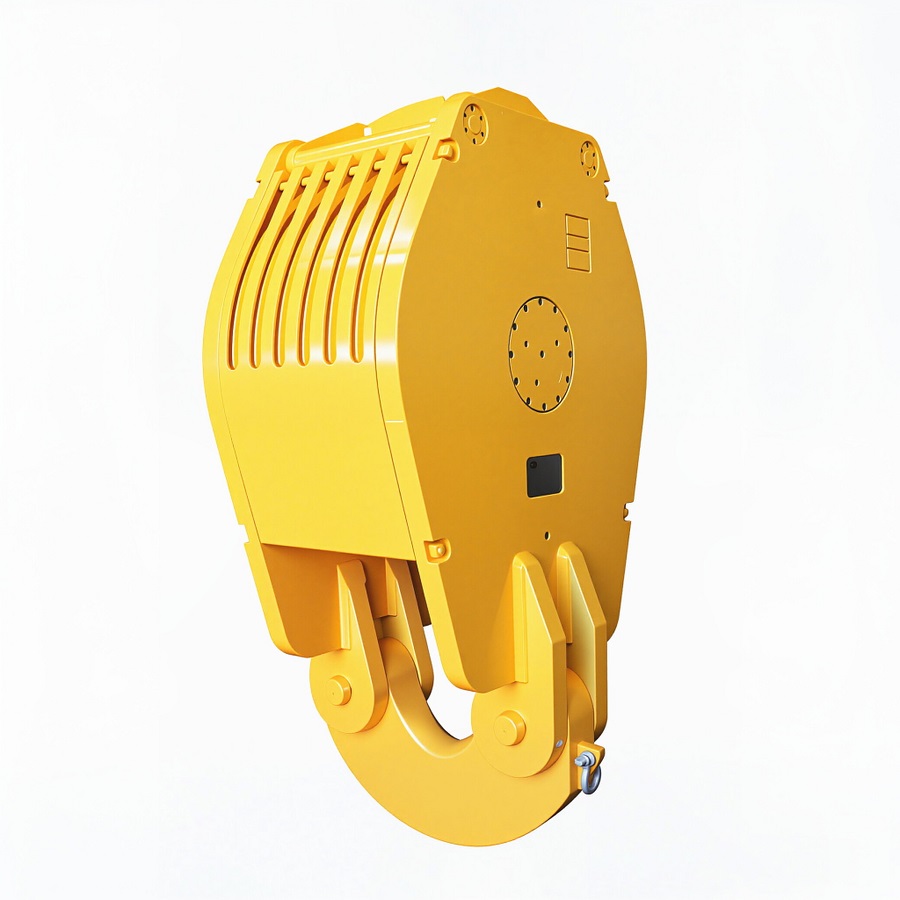
How to Compare Traveling Blocks and Hooks for Rig Lifting Systems
Buyer note

How to Compare Traveling Blocks and Hooks for Rig Lifting Systems

A focused note on traveling block and hook procurement, with emphasis on rig fit, load handling, and inspection practicality.

Traveling blocks and hooks are usually reviewed late in the procurement process, but they deserve earlier attention because they sit in the core lifting path. Buyers should confirm rig fit, load handling, and serviceability before comparing suppliers.

Buyer Notes

The article stays focused on the details buyers compare before inquiry.

Confirm the lifting path

The block and hook must work with the rig's crown and hoisting arrangement. Buyers should ask for fit confirmation rather than assuming a close-looking part will work.

Review load handling requirements

The load range and operating cycle should be clear before the order is placed. That helps the buyer separate routine procurement from a safety-critical selection.

Check inspection access

A lifting component is easier to own when wear points can be inspected and maintained without difficulty. That reduces downtime and supports safer operation.

Ask for clear documents

Technical sheets, inspection records, and delivery terms matter because they help the buyer review the order quickly and accurately.

Practical Takeaway

A short ending helps the page read like an edited buyer note rather than a fragment list.

Blocks and hooks should be treated as part of the rig's safety chain. A strong inquiry gives the supplier enough information to confirm fit and avoid avoidable mismatch.

Explore This Family

Move from the article to the matching product family.

Related Products

The same procurement topic in product form.

Traveling Blocks

Traveling Blocks

Check the detailed page when you need a closer technical review.